
Separate fictional styling from real-world consent and product limitations. A doll's appearance or articulated frame does not establish approval for equipment or load-bearing use.
Separate fantasy from agreement between people
An adult may choose a visual theme for a private collection or photograph. That preference does not tell you what another person wants, and it should not be used to bypass a conversation about boundaries.
If another adult participates, discuss the activity, photography, and privacy separately. Either person must be free to decline or stop. A product purchase, a costume, or a relationship role does not provide agreement on someone's behalf.
Read the manufacturer's limits
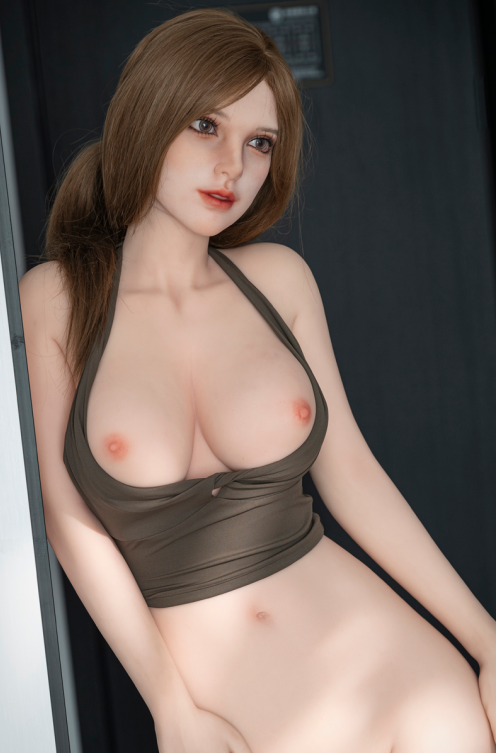
Ask which handling, support, positioning, and accessory restrictions apply to the exact doll. A standing option or articulated skeleton does not establish that the product can carry external loads or be used with restraint equipment.
When the manual does not approve a proposed use, do not infer permission from a promotional photograph. Ask the manufacturer for a clear answer. This article does not provide restraint, suspension, or impact instructions.
Check materials in contact with the surface
Clothing, hardware, dyes, adhesives, and rough edges can introduce compatibility questions. Request the approved contact materials and any recommended testing procedure for your model. A garment intended for a person may still be unsuitable for a doll surface.
Keep the head, hair, connectors, and painted details in the discussion. Different components can have different care restrictions. Save the manufacturer's advice alongside the product configuration so future styling decisions use the same reference.
Set boundaries around photographs
Decide who may see an image and where it can be shared. If another person or their belongings are identifiable, obtain their agreement before taking or publishing a photograph. Consent to being present is not automatic permission to publish.
For product images, describe what is shown accurately. A styled scene should not be presented as a manufacturer-approved technical demonstration or as evidence that a position is suitable for storage.
Keep the care routine clear
Return to the documented cleaning and storage routine after any approved styling. Check items before putting them away and ask support about damage or uncertain surface changes. Avoid unapproved repairs or treatments.
The TPE care guide helps organize model-specific instructions. For discussion of consent and personal preferences, see BDSM, consent, and communication.